
Category Archives: Health
How to Build and Promote Workplace Safety Culture

According to the Occupational Safety and Health Administration (OSHA), more than five thousand people died on the job in 2019. That’s more than fourteen people every day.
Worker deaths are a serious thing and should be prevented at all costs. The purpose of having a workplace safety culture is to look beyond specific safety programs and policies. The goal is to capture the behaviors and mindsets towards the safety of all of the company owners, managers, and employees.
Are you looking to boost team morale and make sure that you’re establishing a safe and organized work environment? If you are, then keep on reading and we’ll walk you through everything that you’ll want to know about building and promoting a workplace safety culture.
Characteristics of Positive Workplace Safety Culture
It’s usually easier to recognize an organization that has a negative safety culture rather than one that has a positive culture. This is because a lack of a safety culture usually means that safety initiatives are not bought into by employees. This usually leads to higher rates of accidents and injuries within the work environment.
While it might seem intimidating to build a positive safety environment, the benefits after the investment has been made will become evident throughout the company.
A company that has a good safety culture will likely experience:
- Decreased rates of accident or injuries
- Lower turn over
- High employee engagement
- Increased employee productivity
But what does a positive safety culture look like? Organizations with a strong safety culture tend to have employees that feel empowered to take action. They also feel responsible for the safety of themselves and their coworkers.
Now, let’s go over several ways that you can build and promote workplace safety culture at your place of work.
1. Define Responsibilities
In order to establish an effective safety culture, you first need to define the responsibilities within your company. This can be done at all levels of the company and includes goals and policies.
2. Create an Organizational Vision for Safety
It’s important that everyone in the organization is on the same page when it comes to the company’s vision for safety. It won’t be possible for you to reach your safety goal if all of the company’s stakeholders aren’t working towards the same goal.
3. Come Up with a System for Open Communication
Organizations that have a strong workplace safety culture need to invest in making lines of open communication within the company. You also need to make sure that workers are updated on new safety protocols in order to make sure that the procedures and policies can be implemented successfully.
One great way to share new information is with monthly talks about understanding health and safety. You want to allow for employees to openly communicate with regards to safety within the workplace.
4. Involve Employees at All Levels
Making a workplace safety culture starts from the ground up. It’s important that workers of all levels are included in the planning and implementation phase of any new safety procedures.
You can make your employees feel more involved by asking for their opinions during the initial planning phases. You can also prevent possible pitfalls later down the road during implementation.
5. Rebuild Reporting System
Your reporting system will need to focus on the positive. Your employees should feel free to share their safety concerns without any repercussions. When you reward workers who share their safety concerns, you’ll be able to rebuild your system and encourage other workers to report their concerns as well.
6. Implement Hands-On Training
When you’re building and promoting a workplace safety culture within an organization, it’s important to utilize proper training. Sharing best practices and developing opportunities for workers to have hands-on learning sessions will help your workers retain and successfully implement new safety procedures.
Also, when you invest in quality training, you’ll be showing your workers that you care about their safety. You’ll also increase team member support and buy-in.
7. Management Modeling
If you want your safety initiatives to be successful, then you need to make sure that the model is from the top down. This means that managers need to make a commitment to employing a safety-first work style. They should always be demonstrating safety is important and valued.
8. Hold Employees Accountable
Companies that fully embody a strong workplace safety culture will know that safety is of the utmost importance. Every worker will feel responsible for their own safety as well as the safety of their coworkers.
A big part of this feeling is holding your workers accountable. The more that an employee feels accountable for safety initiatives, the more likely they’re going to take action to improve the safety around them.
9. Celebrate Success
Keeping your team members updated about company progress is necessary for driving safety initiatives. Recognizing departments, individuals, and the company as a whole for its improvements can be a useful way to boost team morale.
The Importance of Knowing How to Build and Promote Workplace Safety Culture
Hopefully, after reading the above article, you now have a better idea of how to build and promote workplace safety culture. As we can see, there are a lot of benefits to establishing a good workplace safety culture. And it will be much easier to accomplish this if you make everyone feel involved and responsible for the safety of others.
Are you looking for more helpful articles? Make sure to check out the rest of our site today for more!
What Does CBD Feel Like? A Beginner’s Guide

Are you looking to join in on the CBD craze? CBD has gotten super popular in the health and wellness community, and for good reason. People report feeling major benefits to their mental and physical health.
But what does CBD feel like?
If you haven’t tried it yet, this question is probably lingering on your mind. After all, until recently, there wasn’t a lot of information about it.
Before you start taking CBD products, let’s talk about it. Keep reading to learn what you need to know.
First: Does It Get You High?
This is a common misconception.
CBD is a close cousin to THC, the compound in marijuana that produces that intoxicating “high” effect. While CBD and THC can come from the same plant, they don’t operate the same way.
Both CBD and THC work on the endocannabinoid system in the brain, but they do different things. CBD is non-psychoactive. Not only will it not “get you high,” but it also shouldn’t give you that common anxious feeling that many people get from THC. While it might calm you down, it won’t leave you too out of sorts to go about your day.
This being said, full-spectrum CBD products do include a small (legal) amount of THC. This lets them take advantage of the entourage effect, which makes the CBD more effective.
What Does CBD Feel Like? It Depends
Different types of CBD products are going to feel different. There are some best sellers for everyone. The feeling also varies from person to person.
CBD that comes in a quick-release form, like anything you can smoke, vape, or put under the tongue, will result in an immediate feeling. Most people report it as a wash of calmness. It shouldn’t be overwhelming. When taken this way, the CBD feeling will be more acute, but it won’t last as long.
Slower methods of CBD consumption result in a gradual change. You still get that relaxed feeling, but it starts slow and builds up to last for several hours. The slowest method is through edibles, but capsules are another option.
For those who are using it at night, they may find that it makes them feel comfortable and ready for bed, especially if racing thoughts kept them awake. It doesn’t give you the same heavy feeling that sleeping medications offer, but rather a calm drowsiness.
People who are managing pain report pain relief after taking CBD. Again, it’s not the same feeling as heavy painkillers, but it’s a gradual lessening of pain.
People also report feeling a greater appetite and recovery from nausea.
In short, it depends. People take CBD for all different reasons and through all different methods of consumption. The feeling should be relaxing. You won’t notice an extreme change, and that’s the point. You’ll feel an overall shift that doesn’t feel unnatural.
Are You Going to Try CBD?
CBD has been life-changing for many people. Are you going to give it a shot?
If you’re already asking “what does CBD feel like?” you’re well on your way to joining the club. The research on CBD is advancing every day. Why not try it for yourself?
For more helpful articles on CBD and more, visit the rest of our site.
Silent Death: 5 Chronic Diseases Plaguing the World Right Now
The risk of chronic diseases has risen worldwide in recent years. These are often silent but deadly conditions. Combined with our current Covid-19 pandemic has caused many complications for public health officials.
Keep reading to learn more about the most common chronic diseases plaguing the Earth right now.
1. Coronary Artery Disease
According to the American Heart Association, coronary artery disease, also known as heart disease, is the number one reason for deaths in America, accounting for about 13 percent of deaths in the year 2017. Heart disease significantly increases your risk for stroke, another common killer, especially in older adults. Genetics play a role in susceptibility.
Other factors like lifestyle, diet, exercise habits, smoking, and alcohol consumption all play parts in a person’s chronic disease risk. Medication, surgery, and lifestyle modification can reduce your risk.
2. Type 2 Diabetes
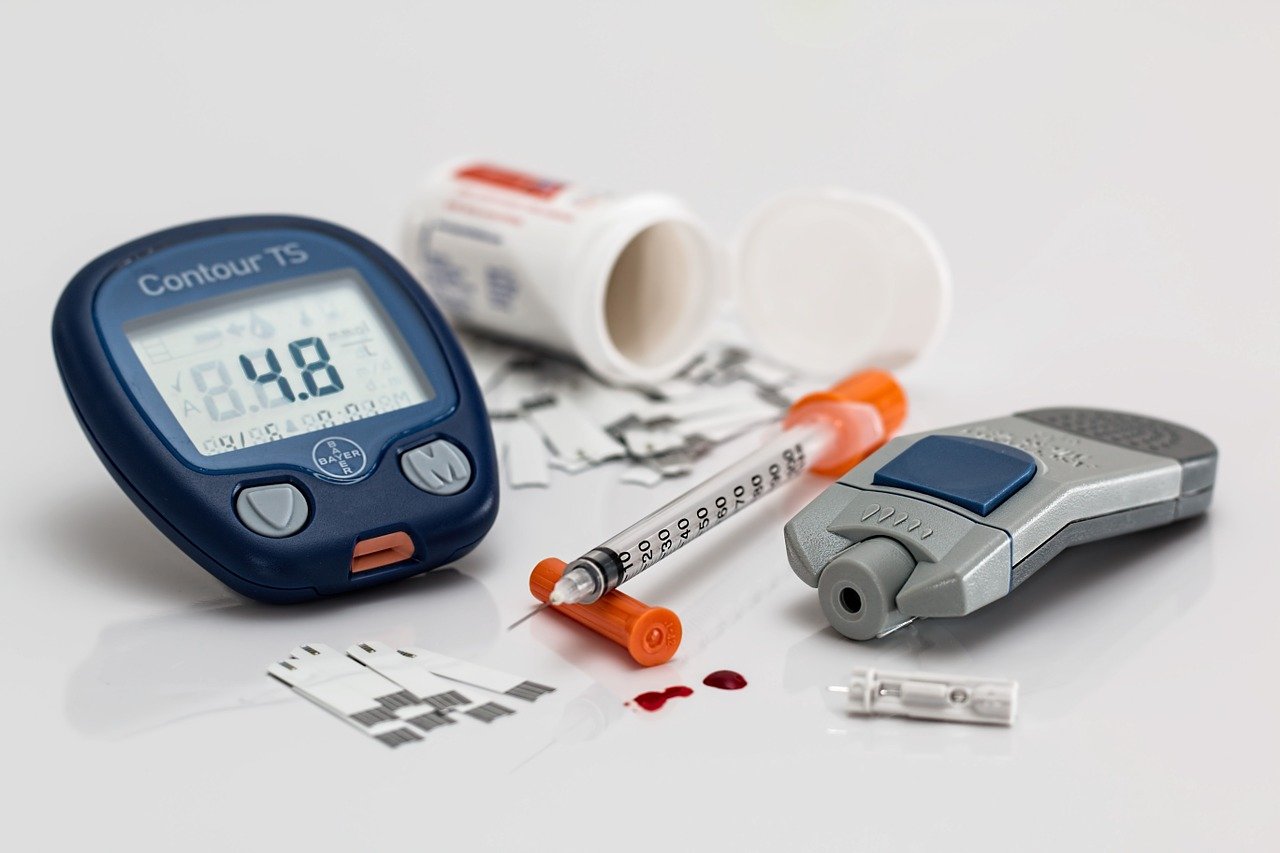
Type 2 diabetes is a chronic, sometimes lifelong condition that impacts the way your body uses glucose. While it is most common in adults, children are capable of developing it as well. It’s typically controlled with medication and insulin therapy.
Type 2 can be reversed through weight loss, maintaining a healthy diet, getting regular exercise. Controlling diabetes is crucial as it can cause nerve damage, kidney damage, and impair wound healing.
3. Dementia
The term dementia is a blanket term for conditions including Alzheimer’s disease that have an effect on memory, critical thinking and problem solving, language, and many other skills needed for daily function. The typical age of onset is 65 or older. However, certain types can develop early in life, although it’s uncommon.
The group Rare Dementia Support raises funds for families and individuals with rare forms of dementia. You can take a look at their website to see how you can get involved.
4. Asthma
Asthma is characterized by swollen airways. Irritants like strong odors, smoke, dust, pollen, or exercise can induce an asthma attack. During these attacks, the muscles swell even more and restrict breathing.
It can only be treated and managed, as there is no cure. With medication, like an inhaler or bronchodilator and lifestyle adjustments, a person could significantly reduce the frequency of attacks.
5. Cancer
Cancer is not a single disease; rather, it is an umbrella term for a wide range of conditions caused by abnormal cell growth. One of the most common cancer types is of the lungs. Those who do or have smoked tobacco are at an especially high chance of developing and dying from this.
It may not present with symptoms, but when it does, it causes trouble breathing, chest pain, hoarseness, and more. A chest x-ray is typically necessary to diagnose it.
The 5 Most Common Chronic Diseases Worldwide
Heart disease tops our list of the most common chronic diseases, which is a contributor to strokes. Other deadly chronic illnesses include type 2 diabetes, dementia, asthma, and cancer. Support groups are available for those living with such conditions.
If you want to learn more about current events and news in the world, check out the rest of our blog!
Storing Water: How Long Does Water Keep in a Bottle?

Just about everything that you buy in a grocery store has an expiration date on it. From milk to meat to bread, you’re going to find expiration dates stamped on all of the items that you place into your cart.
Believe it or not, that will also go for bottled water in most instances. A lot of the companies that manufacture bottled water so that people can go about storing water include expiration dates on their products. And they do it for a bunch of good reasons.
If you’re someone who drinks bottled water on a regular basis or if you’ve gotten into the habit of storing tap water in water bottles in your home, you should be aware of what can happen to water over the course of a few months. It might make you think twice about drinking water that’s been in your home for a long period of time.
Continue reading to learn more.
Storing Water Can Make It Taste Stale
The first thing that you might notice when you take a swig of water that’s been stored for a long time is that it’ll often taste stale. While this water might not be bad for your health, it isn’t going to quench your thirst like fresh water will.
Water sometimes goes stale when carbon dioxide from the air finds its way into the water. This can make it a little bit more acidic than it would be otherwise, which leads to it developing a stale taste.
Storing water for too long could ruin it for you if this ever happens. It’s why you might want to steer clear of doing it.
It Can Also Become Contaminated by Plastic
As we just mentioned, stale water isn’t going to be too harmful to your health. It just won’t taste great.
Water that has been contaminated by plastic, on the other hand, can cause health complications. It’s why you should stay away from storing water for more than six months or so.
When you store water in plastic bottles, the plastic from these bottles can get into the water. You can then move this plastic into your body by drinking it and it can build up over time. It could potentially harm your gut health and cause respiratory issues at the same time.
This is another reason why you should try not to keep water bottles around for long stretches of time.
It Could Even Lead to Bacterial Growth
If you’re going to store water, it’s important to do it in the right way. You need to keep it sealed up tight in a cool, dark area where it won’t be exposed to any air or sunlight.
If you don’t seal water bottles up properly, bacteria might be able to get into them and wreak havoc on the water. This could obviously be very bad for your health if you then drink water with bacteria in it.
It’s one more reason you might want to think about refilling a water bottle every day and drinking from that rather than drinking from water bottles that have been sitting around for months on end. Click here to pick up a great water bottle for yourself.
Keeping Water in a Bottle for Too Long Could Be Very Bad for Your Health
You might be able to get away with storing water for more than six months without doing any harm to it. Water doesn’t technically expire like most other things.
But why risk it? You could be forced to deal with any or even all of the issues listed here when storing tap water or keeping old bottled water around. You’re better off drinking fresh water as often as you can.
Find more great health and wellness tips in the other articles on our blog.
Sleep better and boost your productivity

Introduction:
Having a proper sleep through the night is critical for our physical and mental health. Many people find it difficult to switch off in the modern era of technology. Watching television or using a gadget while lying in bed is a common practice. This practice hurts the sleep routine of an individual badly.
A good sleep has a direct relationship with being active and fresh the next day, thus affecting our productivity and creativity. Term Paper easy decided to take a look at the different reasons for lack of sleep, how lack of sleep can affect the performance, and how to combat it.
Reasons for Lack of Sleep:
- Addiction to the use of electronic devices such as tablets, mobile phones, iPad is one major reason for the lack of sleep. See the young people, how they are always addicted to their mobile phones while walking, eating, or lying on the bed. This habit makes it difficult for a person to switch to the sleep mode when lying on the bed.
- Another reason for lack of sleep is needless negative thoughts. These thoughts can be about the future or the regrets of the past. Worrying about a family matter, relationship, job, financial issue, or an event in the past (that has affected an individual badly) can lead to sleepless nights.
- Despite having no issue at all, still facing the issue of lack of sleep one has to look at his/her lifestyle. Poor diet and lack of exercise can also cause less sleep. Another major thing to have a check on is the consumption of alcohol and caffeine along with smoking. All of these things can affect the sleep badly.
Effect on Performance:
Lack of sleep affects the performance and productivity of an individual at the workplace badly. The following are a few examples of the impact that the research has suggested.
- Research by The Sleep School in the United Kingdom has shown that bad sleep for one night can reduce the productivity of an individual by 57 percent. It will affect negatively both mental and physical awareness. The same research has suggested good sleep is the most underrated performance enhancer.
- One of the most underrated effects of bad sleep is that the person starts to gain weight. Due to the lack of sleep, a person feels more tired. The individual takes high sugar and high calories food to increase the energy level and reduce the effect of tiredness. This food makes him/her overweight and it will ultimately affect the performance of the individual at the workplace.
- Lack of sleep causes physical tiredness. This tiredness damages the social, emotional, and psychological well-being of an individual. This effect on social well-being affects a person’s social interaction with other colleagues at the workplace. Emotional and psychological aspect also damage the social relationship.
How to Combat Lack of Sleep:
Now it is important to know how to resolve the problem of sleep after knowing the reasons and its effect on the performance. Here are two smaller steps to get proper sleep for better productivity.
- Being mindful is the best approach to have a better sleep. Mindful is all about living in the current moment. No need to worry about the sleep issue a person previously had in the past. Leave all such thoughts and try to breathe in, breathe out, or notice small things on your skin. This practice will help you to have a good night’s sleep.
- Normal sleeping hours are seven to eight, but it varies from four to twelve for each individual. Better to have an understanding of the minimum hours you need to start the next day as fresh and fully active. Knowing the realistic need for sleep will help you to schedule your sleep routine accordingly. The sleep routine will help your mind adjusting with the sleep hours and it will require little effort from you to go to bed as your mind and body will automatically initiate it.
Conclusion:
For better productivity, a good sleep is necessary. We have highlighted in detail the reasons, effects, and solutions of lack of sleep. It can help both employees and employers to work together to maximize the potential of an individual.


